Starting an Import-Export Business With the USA as a Non-Resident
How exporters and traders abroad use a US company to sell into the US market: importer of record, customs and duties, product rules, banking, payments, tax and compliance considerations.
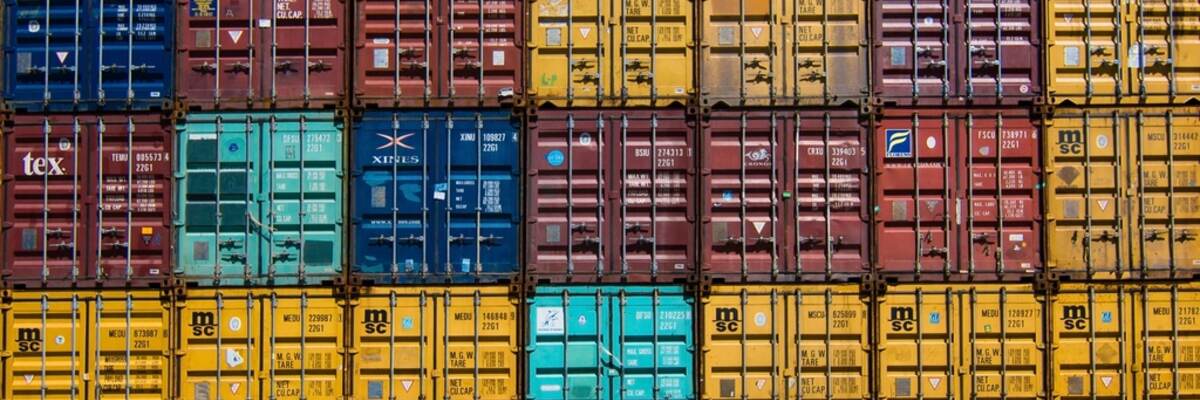
Exporters in India, the Middle East, Southeast Asia and elsewhere increasingly set up a US company to get closer to American buyers. A US entity can make your business easier to buy from, simplify logistics for customers, and let you receive payment in USD on US soil. Trading goods across borders also brings customs, product and tax rules that service businesses do not face.
Why exporters set up a US entity
- Buyer confidence: US distributors, wholesalers and retailers are more comfortable buying from a US company, under US-law contracts, paying a US bank account.
- Importer of record: a US company can import goods and sell them landed (duties paid) to US customers, which many buyers prefer.
- USD banking: receive ACH and wire payments in the USA and pay US logistics providers locally.
- Direct-to-consumer: sell through your own US website or marketplaces like Amazon. See Amazon FBA with a US LLC.
Common models
| Model | How it works |
|---|---|
| Direct export | Your home company sells to US buyers, who import the goods |
| US distribution company | Your US company imports and resells to US buyers |
| US sales office | Your US company finds buyers; your home company ships and invoices |
| E-commerce | Your US company sells online to US consumers, often via a warehouse |
Each model has different tax and customs consequences, so choose deliberately.
Customs and duties
- Importer of record (IOR): the party responsible for clearing goods through US Customs and paying duties. Your US company can act as IOR with the appropriate registrations and a customs bond.
- Customs broker: a licensed broker files the entries, classifies goods and calculates duties. Most importers use one.
- Tariff classification and duty rates depend on the product and country of origin. US tariff policy has changed significantly in recent years, so check current duty rates for your products and origin before pricing.
- Valuation and documents: commercial invoices, packing lists and certificates of origin must be accurate.
Product rules
Many products are regulated by US agencies, for example:
- food, beverages, cosmetics, supplements and medical products (registration, labelling and safety requirements),
- children's products and consumer goods (safety standards and testing),
- electronics (equipment authorisation), and
- agricultural products (inspection requirements).
Check your product's requirements before the first shipment; non-compliant goods can be detained or refused at the border.
Banking and payments
Trading businesses receive extra scrutiny from banks because of cross-border flows and higher transaction values. Prepare clear explanations of your suppliers, buyers, product, shipping routes and expected volumes. See the US business bank account guide and KYC for US banking.
Tax considerations
- Income tax: a US company that imports and sells goods from US warehouses, with US staff, is likely engaged in a US trade or business. A corporation pays 21% on its profits; for an LLC, effectively connected income becomes taxable. See effectively connected income.
- Transfer pricing: if your home company sells to your US company, prices should be at arm's length and documented. These related-party transactions are reported on Form 5472. See Form 5472 explained.
- Sales tax: applies to retail sales; wholesale sales usually use resale certificates. Inventory creates nexus. See US sales tax.
- Home-country export rules: export incentives, foreign-exchange realisation requirements and documentation in your country.
LLC or corporation?
Trading companies with US inventory and staff often choose a C-Corporation, for clean separation and simpler tax for foreign owners. Smaller online sellers often use an LLC. See LLC or Inc and US subsidiary for a foreign company.
How UCB helps
We set up your US trading company, EIN and bank account, and handle annual US compliance, including Form 5472 for related-party trade. For customs clearance we recommend working with a licensed customs broker.
Exporting to the USA? WhatsApp us at +91 8105 199 399 or email info@ucbsolutions.com and we will suggest the right US structure.
Let our experts handle it for you
Every business is different. Message us with your country, business type and goals, and we will recommend the right structure, state and package. We do the work; you focus on your business.
This article is general information for non-resident business owners and is not legal or tax advice. Rules and fees change; contact us to confirm what applies to your situation.